
In-office vein treatment
Compression stockings for varicose veins
Support stockings are a very important part of the treatment and long-term management of varicose veins and spider veins.

Who Compression stockings is for
Compression stockings help almost everyone with vein disease. They ease heaviness, swelling, and aching, they are required by most insurers before a vein procedure is approved, and they protect results afterward. They do not close a refluxing vein, which is why they are a first step and a companion to treatment rather than a substitute for it.
Conditions treated: Varicose veins, Chronic venous insufficiency, Venous leg ulcers
Every plan starts with an ultrasound
Before any treatment is recommended, we map your leg veins with an in-office ultrasound. It shows which veins are refluxing and which treatment fits. The consultation and ultrasound are usually covered by insurance.
What happens during the visit
At your consultation we measure your leg and recommend a compression level (most vein patients wear 20 to 30 mmHg) and a style, knee-high or thigh-high. We show you how to put them on and when to wear them. If your insurance requires a compression trial before approving treatment, we document the start date.
After the procedure
Wear the stockings during the day and remove them at night. Put them on first thing in the morning before swelling builds. Replace them every four to six months as the elastic loses strength. After a procedure, your physician will tell you how long to keep wearing them.
How Compression stockings compares
Most patients with varicose veins need one of the vein-closing treatments, sometimes followed by sclerotherapy or micro-phlebectomy for the branches. The ultrasound decides which.
| Treatment | Best for | How it works | Anesthesia | Typical downtime |
|---|---|---|---|---|
| Varithena | Varicose veins fed by a saphenous vein that is not working | Ultrasound-guided microfoam closes the vein | Local, if any | Walk out the same day; light activity right away |
| Laser ablation (ELAS) | A refluxing greater saphenous vein | A thin laser fiber seals the vein from the inside | Local | Walk out the same day; compression for a short period |
| Sclerotherapy | Spider veins and smaller varicose veins | A solution injected into the vein makes it fade over weeks | None | None; several sessions may be needed |
| Micro-phlebectomy | Bulging surface veins | Tiny incisions remove the vein segment | Local | Walk out the same day; compression afterward |
Cost and insurance
Medical-grade compression stockings are bought directly at most pharmacies and supply stores. Some plans reimburse prescription stockings; ask us for a prescription and a receipt.
You get the number before you commit
Before anything is scheduled, we tell you in writing what your plan covers and what it leaves to you. Nothing goes on the schedule until you have that in hand.
Compression stockings questions
What compression level do I need?
Most patients with varicose veins or venous insufficiency wear medical-grade 20 to 30 mmHg. Higher levels are used for advanced disease or after ulcers. Over-the-counter 8 to 15 mmHg socks are for comfort, not treatment.
Why does my insurance want me to try stockings first?
Most plans require a documented trial of conservative therapy, usually compression stockings for several weeks to three months, before approving ablation. We document the trial so the approval goes smoothly.
Can compression stockings cure varicose veins?
No. They relieve symptoms and slow progression, but they cannot repair a failed vein valve. Closing the vein does that.
Where can I buy medical compression stockings?
Pharmacies and medical supply stores carry brands such as Jobst, Sigvaris, Juzo, and Mediven. Proper measurement matters more than brand. We can measure you at your visit.
Where and with whom
Compression stockings are available at both offices, and the physician who prescribes them is the physician you see for your ultrasound, consultation, and treatment: Dr. Thomas Drost in Oak Park (Monday, Tuesday, Wednesday, and Friday) and Dr. Kristen Hayes in Wilmette on Thursdays.

Thomas Francis Drost, M.D.
Board Certified Surgeon
Dr. Drost is a board certified surgeon who performs in-office, non-surgical vein treatments at The Vein Care Center.
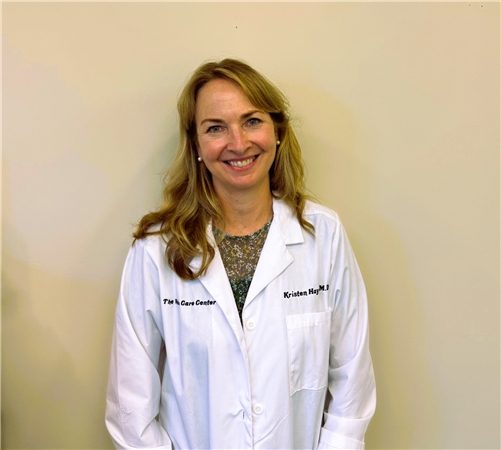
Kristen Hayes, M.D.
Board Certified Emergency Medicine Physician
Dr. Hayes is a board certified emergency medicine physician who supports patient care at The Vein Care Center.
Related treatments
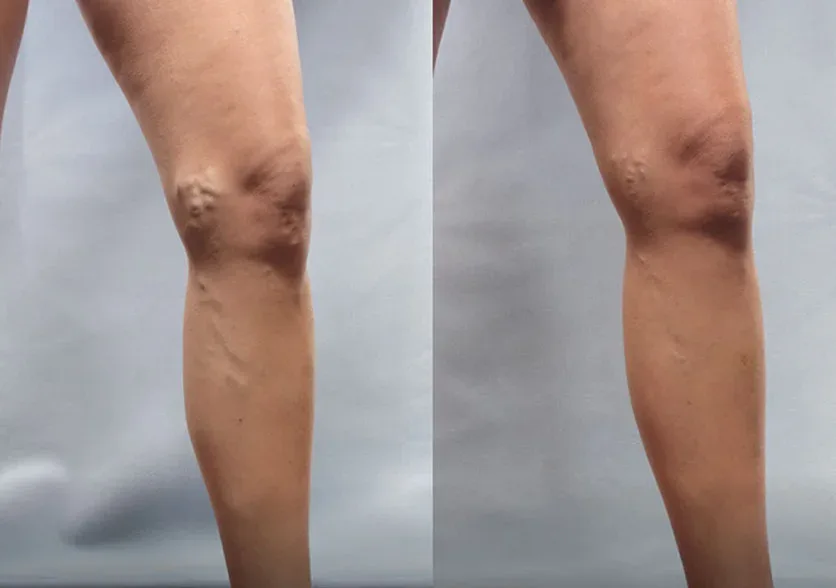
Varithena
Ultrasound-guided foam that closes varicose veins, often in one visit.
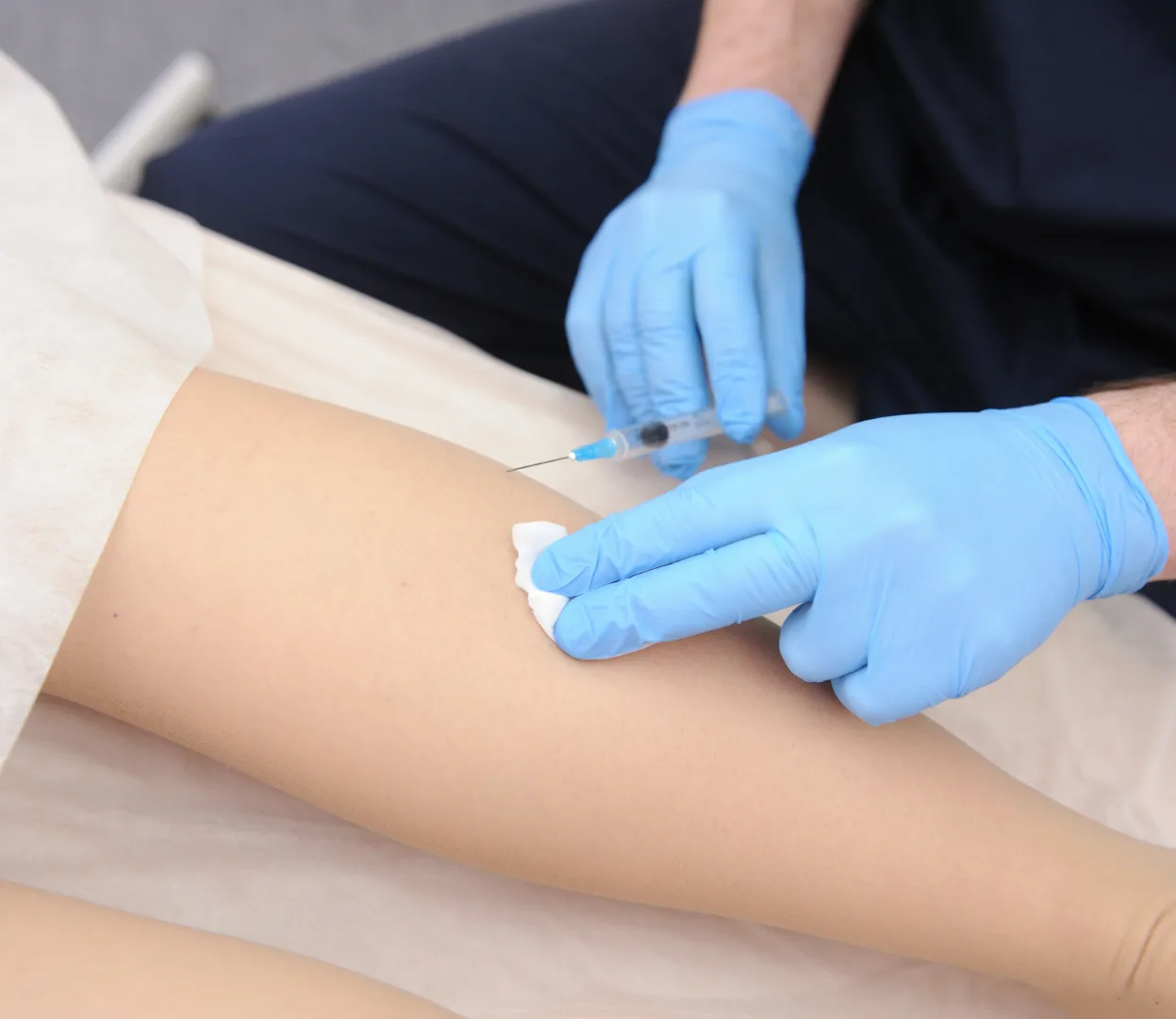
Sclerotherapy
Quick injections that fade spider veins and small varicose veins.
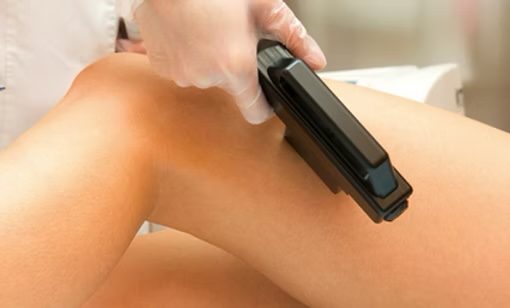
Laser Therapy (ELAS)
A thin laser fiber seals the vein that causes most varicose veins.
Ready to take the first step toward healthier legs?
Two offices in Oak Park and Wilmette, serving Evanston, Berwyn, River Forest, Skokie, Glenview, and all of Chicagoland. All procedures are performed in the office without surgery.